



Why Fentanyl
Protection Matters

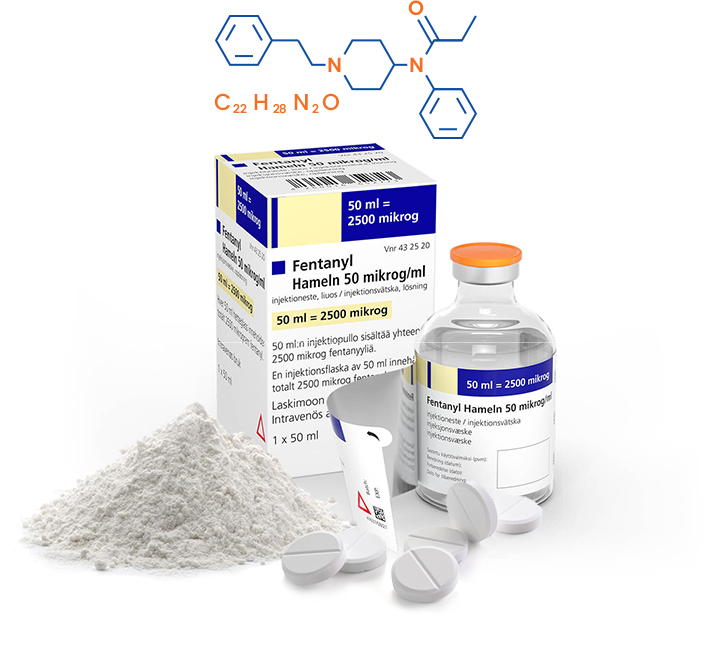
Fentanyl is a synthetic opioid. Like other synthetic opioids, it was developed to help manage pain in cancer patients, but it also poses a high risk of overdose. As the CDC explains, it is 50 times more potent than heroin and 100 times more potent than morphine.

Overview

As with other opioid painkillers, fentanyl is used primarily for its effects of pain relief, sedation, relaxation, and euphoria. It also has many side effects, including drowsiness, dizziness, confusion, nausea, vomiting, narrowed pupils, slowed breathing, and an inability to urinate.


Because of this incredible potency, Fentanyl is also sold on the black market as an illicit drug. Sometimes it’s even sold as heroin to unsuspecting drug-users, resulting in many overdose deaths. Most illicit Fentanyl comes from plants in Mexico, though exposure to the drug (legitimate or not) can still be a concern in the USA, especially in medical settings.


For this reason, medical and business leaders have become increasingly interested in PPE (personal protective equipment) that protects the wearer from Fentanyl exposure. Fortunately, there are standards in place that indicate whether or not a glove features such protection.


Below we’ll dive deeper into the various kinds of fentanyl, how frontline and healthcare workers can protect themselves from exposure, and what glove standards to look out for.

The Two Types
of Fentanyl

Fentanyl is an opioid-based pain reliever that’s many times stronger than either morphine or heroin, according to the CDC. It’s 50 times more potent than heroin and 100 times more potent than morphine, and can be absorbed quickly through skin contact. 

The two types of Fentanyl include:

What Are Opioids?

Opioids are a class of drugs that come from the poppy plant. While some opioids are made directly from the plant, others are produced synthetically by scientists in a laboratory. Fentanyl falls into the latter category with other so-called synthetic or semi-synthetic opioids.
Pharmaceutical Fentanyl

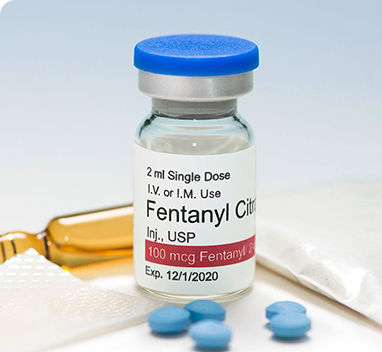
This is fentanyl that’s legally prescribed to manage intense pain. For example it’s often used for cancer patients or end-of-life care.
Illicitly Manufactured Fentanyl (IMF)

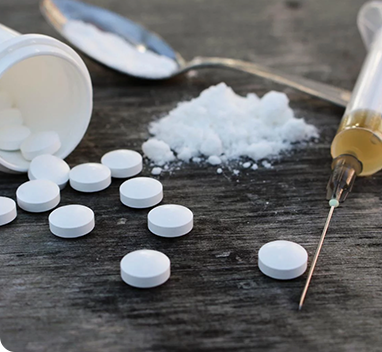
This Fentanyl is manufactured illegally and sold on the black market. It’s often mixed with or sold as heroin and can contain other dangerous substances known as fentanyl analogs.

Why is Fentanyl a Problem?

Fentanyl
interactions have
led to…

71,000+ Overdose deaths in 2021

In fact, fentanyl use is connected to more deaths than car crashes, H.I.V., or gun violence.

28,000+ Deaths associated with fentanyl

(where fentanyl was not the only cause). Deaths from fentanyl even increased by 27% from 2020 to 2021.

Production & Distribution
on the Rise

Production and distribution of illicitly manufactured Fentanyl (IMF) has been on the rise since as early as 2013. Measures have been taken to stop the rise, but increased supply, processing, and distribution mean further measures are necessary. In the meantime, healthcare, law enforcement, and other frontline personnel should take special care to protect themselves from exposure.

Fentanyl:
Dangerous Even In
Small Amounts

Odorless, Tasteless,
Deadly

Many fentanyl overdoses occur in individuals who don’t even know they’ve consumed fentanyl. It’s odorless, tasteless, and extremely hard to detect.

Small Amounts
are Fatal

Minute amounts of Fentanyl are still incredibly deadly. 2 milligrams ⁠— the size of two grains of salt ⁠— is enough to kill most adults.

Who is At Risk?

NIOSH (The National Institute for Occupational Safety and Health) has identified several categories of jobs as at risk for exposure to fentanyl or its analogs, including:

Pre-Hospital Patient Care

This category covers anyone who could come in contact with an individual who’s suspected of suffering a fentanyl overdose. Common occupations include first responders, fire departments, and other private healthcare employees.
Law Enforcement

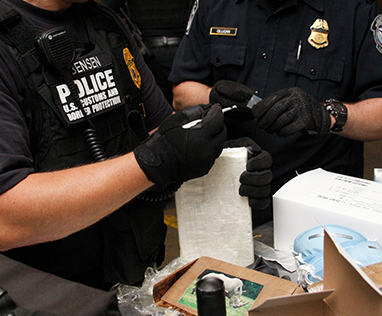
Any law enforcement officers could potentially interact with fentanyl, either directly or through second-hand exposure during traffic stops, while apprehending and searching criminals, or responding to overdose incidents.

Investigation and Evidence Handling

Forensic and detective personnel who investigate drug-related incidents could come in contact with fentanyl while searching, examining, storing, or labeling evidence.
Special Operations and Decontamination

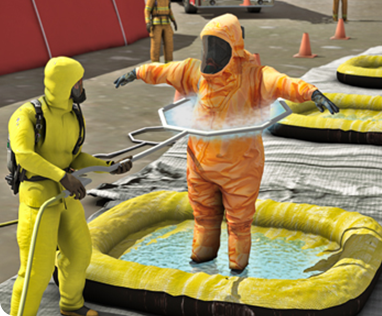
Hazardous material incident response teams could be exposed to fentanyl while responding to a spill, executing a search warrant, or processing drug-related sites.

Fentanyl-Protective Gloves:
Look for ASTM D-6978

The ASTM D-6978 method specifically protects against fentanyl exposure. In fact, these gloves can hold up to a minimum of 240 minutes of continuous exposure to fentanyl.

Final Words

Make sure you look for gloves that have been tested to the ASTM-D6978 standard, which measures glove permeation resistance to certain chemicals, including fentanyl. A 6978-rated glove is tested to resist the permeation of fentanyl for at least 240 minutes. Further, many first-responder gloves are much thicker and have extended cuffs for even greater protection.

"*" indicates required fields

Drop files here or
Accepted file types: jpg, jpeg, png, gif, txt, pdf, doc, docx, xls, xlsx, odt, ppt, pptx, pps, ppsx, html, Max. file size: 25 MB.